Window Installation Handover: Test Operation Before the Tools Leave
New windows are easiest to check while the installer is still present and the work area is clear. Arrange a walkthrough using the agreed schedule, including any approved changes.
A homeowner's inspection does not replace required professional testing or certification. It can identify visible issues and make sure the product and care information are handed over.
Ask the installer to demonstrate normal opening, closing and locking. Check screens and supplied accessories where included. Do not force stiff components; record the issue and let the installer assess it.
Look at visible finishes in ordinary light. Photograph damage or incomplete making good and describe the location clearly. Compare the result with the agreed scope rather than guessing which technical detail caused a mark.
Follow the specific guidance for sealants, cleaning and normal operation. Some finishes or products may have care restrictions. Keep those instructions in writing rather than applying a generic household cleaner to every surface.
Have the installer explain any owner-accessible ventilation features. Do not block or alter them because their purpose was not discussed at handover.
If registration is required for a particular product promise, ask who completes it and what evidence you receive. Keep that administrative step separate from simply paying the invoice.
Give each item a description, responsible business and agreed next step. Include painting or repairs beyond the immediate frame if they formed part of the contract. Follow the agreement and obtain appropriate advice if acceptance or payment is disputed.
For US homes, local requirements depend on the building and scope. A good handover leaves the windows usable, the remaining tasks explicit and the owner able to identify the installation when a future part or service visit is needed.
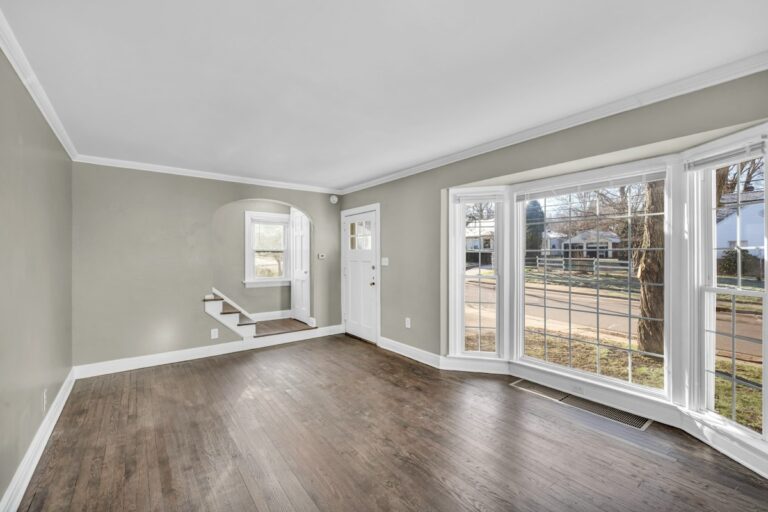
Photo: Lisa Anna / Unsplash. Stock image for context; not a photograph of a project reviewed in this article.